




How connected, interoperable data systems can support continuous improvement in cancer care
Cancer centers today are facing growing pressure from stakeholders across the cancer care and research community to meet data-driven expectations. Yet many centers continue to rely on fragmented, siloed data systems that limit their ability to improve care, accelerate discovery and address care gaps.
A perspective article calls on cancer centers to treat data and data science infrastructure as a strategic institutional asset, not simply an operational byproduct, and to modernize systems using a Learning Health System and Learning Health Community approach to support continuous improvement in cancer care.
Regenstrief Institute Chief Data Scientist Jiang Bian, PhD, and colleagues from Indiana University Health, Indiana University Melvin and Bren Simon Comprehensive Cancer Center, Indiana University School of Medicine and others describe how connected and interoperable data ecosystems allow centers to learn from routine care and apply insights to improve outcomes.
“Modernizing data infrastructure is essential to improving how cancer centers care for patients and work with the communities they serve,” said Dr. Bian, the Walther and Regenstrief Endowed Chair in Cancer Informatics, IU Melvin and Bren Simon Comprehensive Cancer Center and Regenstrief Institute. “Cancer care generates large volumes of information, including electronic health records, imaging, genomics, patient reported outcomes and social drivers of health.”
Learning Health Systems and Learning Health Communities help health care organizations continuously improve by using data from everyday care to generate evidence and apply it back into practice.
“In a Learning Health System, we use information from electronic health records, clinical outcomes and patient experiences to continuously analyze what works best. That allows care teams to learn from every patient encounter and use those insights to improve treatment decisions and overall quality of care,” said Christina M. Scifres, M.D., Leader, Regenstrief Institute Strategic Initiative on Learning Health Systems.
“A Learning Health Community builds on that approach by extending it beyond a single institution and connecting health systems with public health agencies, community organizations, registries and other partners so knowledge can be shared and applied more broadly,” said Dr. Scifres.
Moving beyond fragmented data systems
The authors argue that modern cancer centers must invest in interoperable, inclusive data ecosystems that can support:
- Continuous learning and quality improvement
- More access to clinical trials
- Better characterization of cancer burden across populations
- Faster translation of research discoveries into practice
“Data and data science have to be treated like core infrastructure, more like a public utility than an IT byproduct,” said Dr. Bian. “When cancer centers invest in connected, interoperable data and the workforce to use it, they can turn real-world care into real-world evidence that improves decisions for patients.”
Cancer centers often cannot fully see who they reach and who they miss because patient care spans multiple systems and data remain fragmented. Without interoperable data, performance can appear stronger than it is while gaps stay hidden. Connected data systems help centers spot care delays, improve trial matching and monitor screening and outreach using real-time evidence from routine care.
By strengthening interoperable data infrastructure and learning cycles, centers can contribute more effectively to multi-institution research, public health reporting and coordinated cancer care improvement efforts nationwide.
Additional Regenstrief researchers who contributed to the article: Kun Huang, PhD, David A. Haggstrom, M.S., MAS, and Regenstrief President and CEO Rachel E. Patzer, PhD, MPH.
The paper, “Modernizing data and data science infrastructure as a strategic asset for cancer center” is published in the journal npj Health Systems.
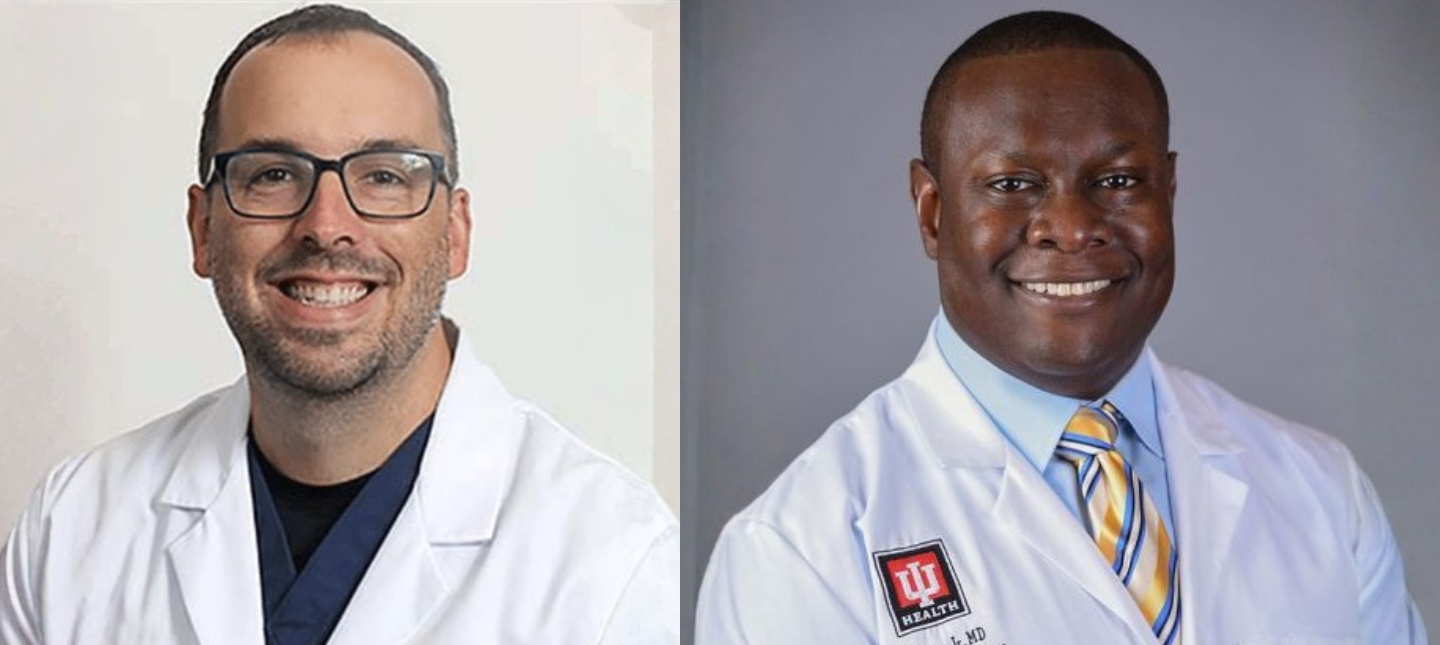
Jiang Bian, PhD
In addition to his role as a research scientist, Jiang Bian, PhD, holds several leadership positions across Indiana University and its health system. He serves as Chief Data Scientist for both Regenstrief Institute and IU Health and is the Walther and Regenstrief Endowed Chair in Cancer Informatics at the IU Melvin and Bren Simon Comprehensive Cancer Center and Regenstrief Institute. He also serves as Chief Research Information Officer at the cancer center, Associate Dean for Data Science at the IU School of Medicine, and Regenstrief Deputy Director of the Indiana Clinical and Translational Sciences Institute. In addition, he is Professor and Vice Chair for Translational Informatics in the Department of Biostatistics and Health Data Science at the IU School of Medicine.
Christy Scifres, M.D.
In addition to her role as a research scientist at the William M. Tierney Center for Health Services Research, Christy Scifres, M.D., is a Professor, Obstetrics & Gynecology, Indiana University School of Medicine. She also serves as a Leader in the Regenstrief Institute Strategic Initiative on Learning Health Systems and IU Health in Learning Health Systems.
Authors and Affiliations, as listed in the publication
Yi Guo, Thomas J. George, Alison M. Ivey, Jonathan D. Licht, Gigi Lipori, Aik Choon Tan, Lang Li, Emily C. Webber, Christina M. Scifres, Kun Huang, David A. Haggstrom, Kelvin P. Lee, Rachel E. Patzer, Jiang Bian
College of Medicine, University of Florida, Gainesville, FL, USA
Yi Guo, Thomas J. George & Jonathan D. Licht
UF Health Cancer Institute, Gainesville, FL, USA
Yi Guo, Thomas J. George, Alison M. Ivey & Jonathan D. Licht
UF Health, Gainesville, FL, USA
Gigi Lipori
Huntsman Cancer Institute, University of Utah, Salt Lake City, UT, USA
Aik Choon Tan
University of Utah Health Sciences Center, Salt Lake City, UT, USA
Aik Choon Tan
College of Medicine, The Ohio State University, Columbus, OH, USA
Lang Li
Ohio State University Comprehensive Cancer Center, Columbus, OH, USA
Lang Li
Indiana University School of Medicine, Indianapolis, IN, USA
Emily C. Webber, Christina M. Scifres, Kun Huang, David A. Haggstrom, Kelvin P. Lee, Rachel E. Patzer & Jiang Bian
Indiana University Melvin and Bren Simon Comprehensive Cancer Center, Indianapolis, IN, USA
Kun Huang, Kelvin P. Lee & Jiang Bian
Regenstrief Institute, Inc., Indianapolis, IN, USA
Kun Huang, David A. Haggstrom, Rachel E. Patzer & Jiang Bian
Partners

The Latest