






Influence
October 31, 2025

Barriers to Discharge for Nursing Home Residents With Serious Mental Illness

Kathleen Unroe, M.D.

Published in the JAMA Network Open. Here is a link to the article.

Regenstrief Institute authors: Kathleen T. Unroe, M.D., MHA, M.S.

This qualitative study explored why nursing home residents with serious mental illness, such as schizophrenia or bipolar disorder, often remain in long-term care despite being candidates for community living. Through interviews with 15 staff members from eight U.S. nursing homes, researchers identified barriers to discharge at multiple levels. Individual factors included behavioral challenges, medication noncompliance, and refusal to leave. Relational barriers involved limited family support and strained professional relationships. Structural challenges included insurance restrictions, limited community-based psychiatric and substance use treatment options, and transportation issues. Together, these factors contribute to unnecessary long-term stays. The findings highlight the need for coordinated, multi-level strategies to support safe and appropriate transitions to community care for residents with serious mental illness.

This work was supported by grant RF1AG08201 from the National Institutes of Health’s National Institute on Aging.

Authors: 

Charity M Hoffman 1, Hannah C Ratliff 1, Sarah L Krein 2 3 4, Kierstdea Petzold 3, Kathleen T Unroe 5, Kali S Thomas 6, Molly Turnwald 1, Erika Ratliff 1, Terrence Gatton 1, Donovan T Maust 1 3 4

Affiliations: 

1Department of Psychiatry, University of Michigan, Ann Arbor.

2Department of Internal Medicine, University of Michigan, Ann Arbor.

3Center for Clinical Management Research, VA Ann Arbor Healthcare System, Ann Arbor, Michigan.

4Institute for Healthcare Policy and Innovation, University of Michigan, Ann Arbor.

5Department of Medicine, Geriatrics, Indiana University, Indianapolis.

6Johns Hopkins School of Nursing, Baltimore, Maryland.

Related News

image of a doctor consulting with a patient

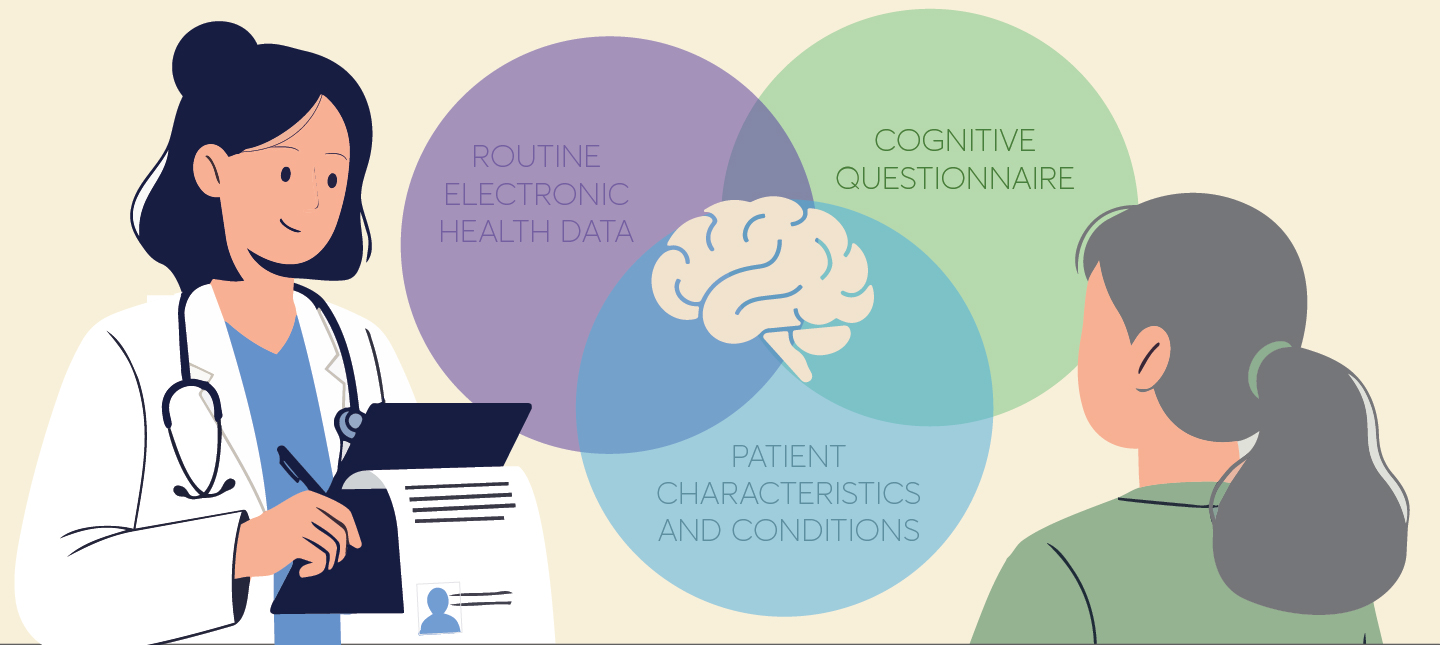
Scalable approach could improve early detection of cognitive impairment in primary care

Regenstrief-led study evaluates how existing health data and patient-reported information could help clinicians identify individuals who need further assessmentEarly

Christopher Callahan, MD

Regenstrief Institute scientist named next president and CEO of Regenstrief Foundation 

Longtime Regenstrief investigator and former IU Center for Aging Research director will assume Foundation leadership in summer 2027.  Christopher

Rachel Patzer, PhD, MPH

Building trust in healthcare AI through data and evidence

As artificial intelligence rapidly transforms healthcare, innovation alone is not enough. Health systems need evidence that AI tools are

doctor using electronic health record

Data expertise helps researchers understand how clinical tools are used in real-world care

Regenstrief Data Services (RDS) provided critical health data and specialized expertise to support research examining clinical decision-support use across