







Influence
July 10, 2024

Bridging Racial Disparities in Access to Kidney Transplantation in the United States: Glass Part-Empty or Part-Full?

Rachel Patzer standing in front of the Regenstrief Institute building.

Published in the Journal of the American Society of Nephrology. Here is a link to the article.

Regenstrief Institute authors: Rachel Patzer, PhD, MPH

Racial disparities in kidney transplant access—especially for Black patients—have been well documented for decades. Recent policy reforms and multilevel interventions, such as regional coalitions and changes to the kidney allocation system, have helped reduce these gaps, particularly in deceased donor transplant rates. However, significant inequities remain, especially in waitlisting and living donor transplantation, with disproportionate impacts on Black patients, Native Americans, Pacific Islanders, and younger individuals. Emerging federal efforts aim to standardize practices and enhance data collection, but challenges such as inadequate capture of structural racism and social risk factors persist. Achieving true equity requires systemic change that addresses upstream social determinants and racism across all levels of care and policy.

Authors

Rachel Patzer1

Author Affiliations

1Regenstrief Institute, Indianapolis, Indiana, and Department of Surgery, Indiana University School of Medicine, Indianapolis, Indiana.

Partners

Related News

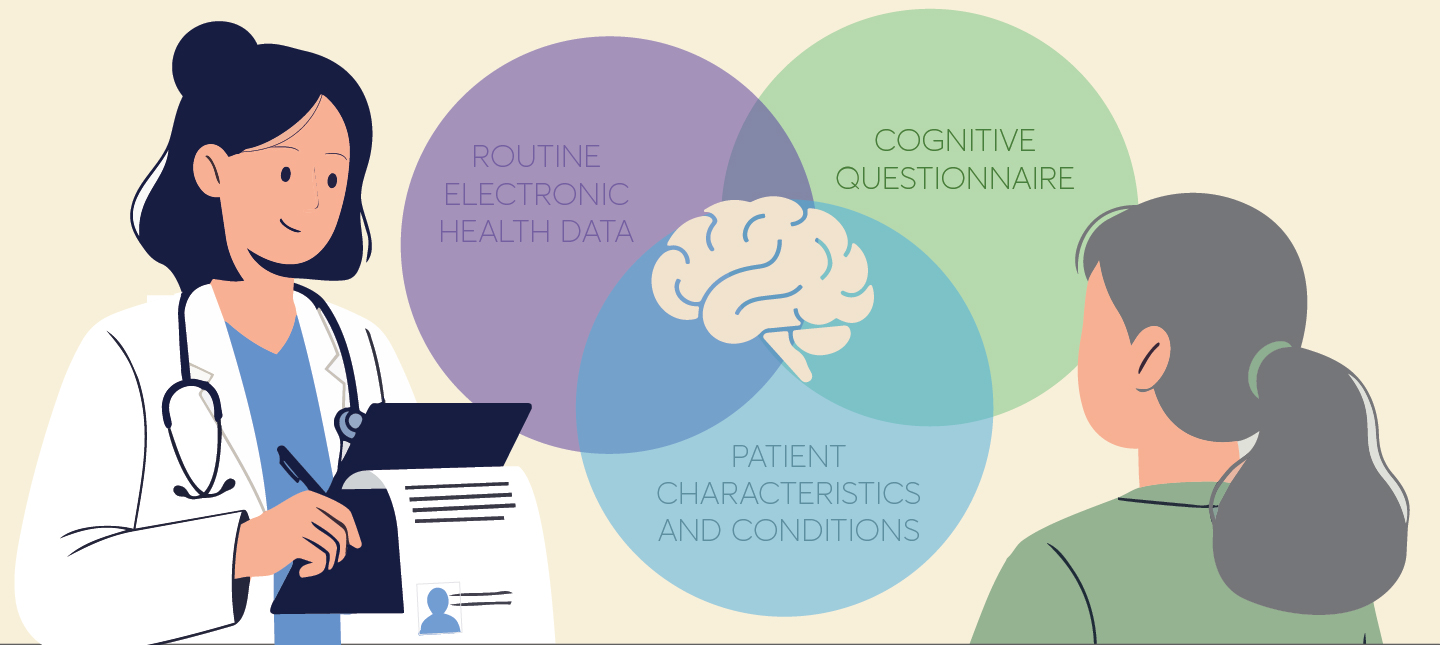
image of a doctor consulting with a patient

Scalable approach could improve early detection of cognitive impairment in primary care

Regenstrief-led study evaluates how existing health data and patient-reported information could help clinicians identify individuals who need further assessmentEarly

Christopher Callahan, MD

Regenstrief Institute scientist named next president and CEO of Regenstrief Foundation 

Longtime Regenstrief investigator and former IU Center for Aging Research director will assume Foundation leadership in summer 2027.  Christopher

Rachel Patzer, PhD, MPH

Building trust in healthcare AI through data and evidence

As artificial intelligence rapidly transforms healthcare, innovation alone is not enough. Health systems need evidence that AI tools are

doctor using electronic health record

Data expertise helps researchers understand how clinical tools are used in real-world care

Regenstrief Data Services (RDS) provided critical health data and specialized expertise to support research examining clinical decision-support use across