



Influence
June 11, 2025

Health care workforce recovery after the end of the COVID-19 emergency

Kosali Simon, PhD

The COVID-19 pandemic significantly disrupted health care employment, with effects that varied across subsectors. Initial impacts included a 6.9 percent decline in health care jobs between late 2019 and mid-2020. By the third quarter of 2024, however, overall health care employment had nearly returned to projected levels, slightly trailing by just 0.2 percent. In contrast, non–health care sectors experienced a sharper drop (11.4 percent) and a slower recovery (2.9 percent below predictions).

The study, using data from the US Bureau of Labor Statistics and regression models based on pre-pandemic trends (2016–2019), analyzed health care employment from 2016 to 2024. It focused on key sectors such as physician offices, hospitals, skilled nursing facilities (SNFs) and both office-based and intensive behavioral health services. Physician offices recovered quickly, while SNFs and intensive behavioral health facilities remained below pre-pandemic employment levels. Notably, office-based behavioral health practitioners saw an 84 percent employment increase, driven potentially by growing demand, lower COVID-19 exposure risk and expansion of telehealth services.

By mid-2024, hospitals and SNFs still trailed projected employment levels by 0.7 percent and 0.1 percent respectively, while intensive behavioral health facilities were 0.8 percent below expectations. Office-based behavioral health employment exceeded projections by over 40 percent.

The analysis highlights the resilience of the health care sector, likely aided by stable insurance-based funding. However, limitations include insufficient data on job roles and patient capacity, and the inability to account for demographic or policy-driven structural shifts. Further research is needed to understand the long-term workforce and service delivery implications.

Related News

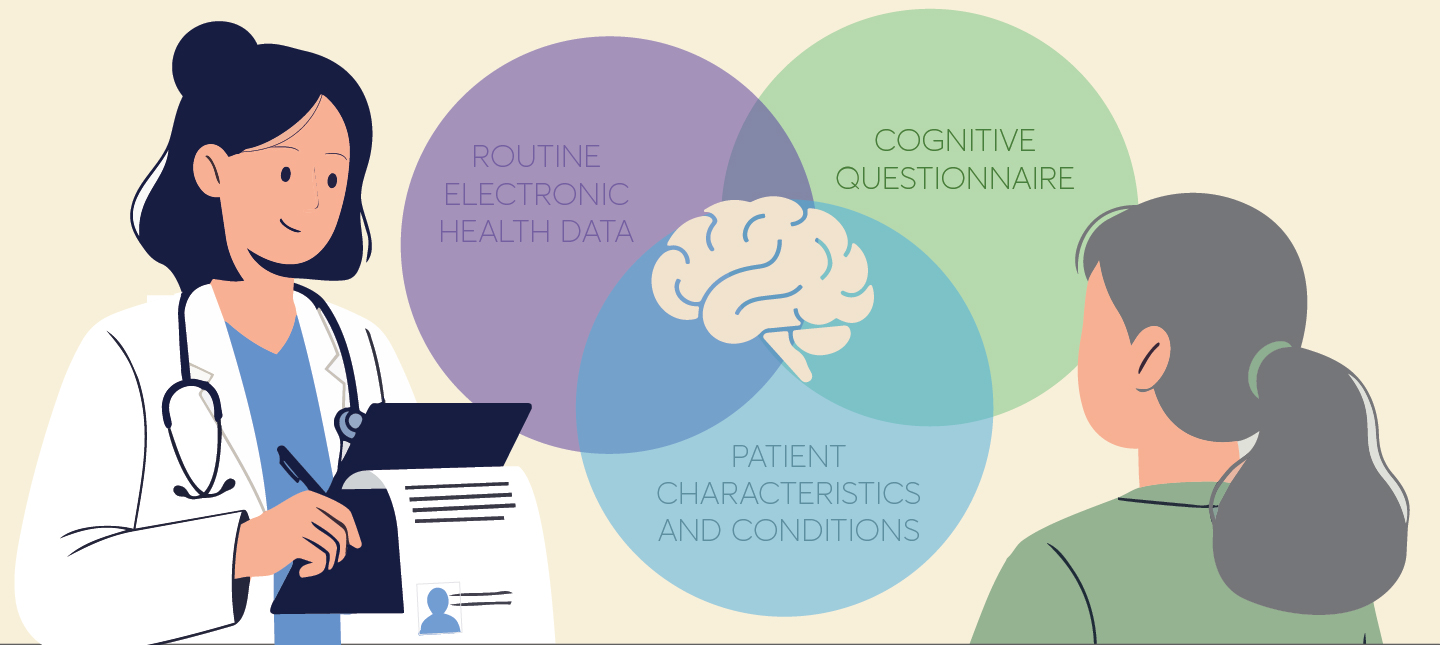
illustration of the combination of interventions used in the D3 pragmatic clinical trial

Zero-cost, AI-driven digital detection identifies Alzheimer’s and related dementias without additional clinician time

Few primary care practices are designed for the timely detection of Alzheimer’s disease and related dementias. The limited time

Arthur H. Owora, PhD

Predictive correlates of poor sleep associated with increased risk of severe asthma exacerbations among children with moderate-to-severe asthma

Published in Pediatric Allergy and Immunology. Here is a link to the article. Regenstrief Institute author: Arthur H. Owora,

Atlanta City Skyline

Regenstrief Institute experts will lead presentations, participate in panels at the AMIA 2025

Regenstrief Institute informaticians and other data experts will share their research insights and innovations from November 15-19 during the