







News
May 14, 2019

Finding Trends in Population Health: Regenstrief Health Informatics Director Speaks to HIMSS TV

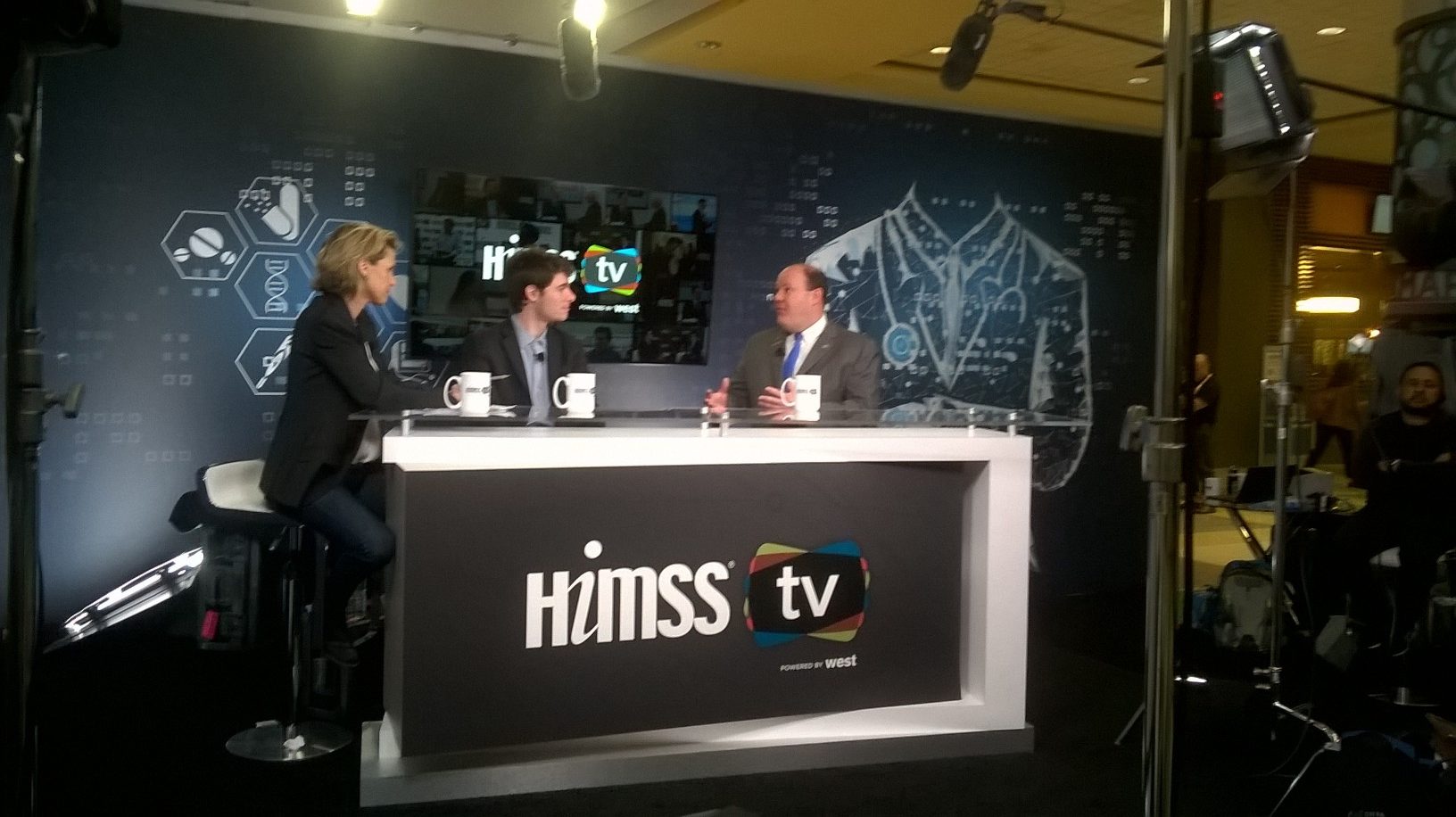
Brian on HIMSS TV

Brian E. Dixon, PhD, MPA, director of public health informatics at Regenstrief Institute and Indiana University Richard M. Fairbanks School of Public Health at IUPUI, spoke to HIMSS TV about efforts to use new technology to manage health data. He discussed Regenstrief’s efforts to automate the delivery of data into dashboards to reduce the burden of professionals looking at population data.

The Healthcare Information and Management Systems Society (HIMSS) is an organization dedicated to improving healthcare in quality, safety, cost-effectiveness and access through the best use of information technology and management systems. According to its website, HIMSS TV provides year-round, global coverage of all HIMSS events. They spoke to Dr. Dixon at the Global Conference in February.


Read about Dr. Dixon’s presentation at the conference.

Related News

Chris Harle, PhD

Supporting electronic health record data usage in research for teams with varying data science and clinical knowledge: a food service analogy approach

Published in the Journal of the American Medical Informatics Association: JAMIA. Here is a link to the article. Regenstrief

Predictive model, comprehensive data identify risk factors for amputation and death among patients with chronic wounds

Predictive model, comprehensive data identify risk factors for amputation and death among patients with chronic wounds

Findings from Regenstrief Institute’s Chronic Wound Registry may help clinicians and patients make informed decisions and improve outcomes  Chronic wounds affect

Brian Dixon, PhD, MPA (left) and Kathleen Unroe, M.D., MHA (right)

Regenstrief researchers give national presentations on public health informatics and aging

Two Regenstrief Institute research scientists were invited to present their work at nationally recognized grand rounds events, highlighting the

Adaptive ethics roadmap guides responsible AI integration in intensive care

Transdisciplinary team develops framework to ensure ethical, transparent AI use in critical care environments Delirium is a common but