



The 2018-19 fiscal year was a banner 12 months for Regenstrief Institute. The annual report, which has been revived after a hiatus, helps us tell our success stories and demonstrates the impact made by Regenstrief investigators.
From cover to cover, this summary of our activities is an impressive testament to both the achievements of the past year, July 1, 2018-June 30, 2019, and heralds what we envision as a bright future. Please take note of our research scientists’ many and varied publications, grants and other achievements, a selection of which are highlighted in the annual report.
Let me focus on several highlights and encourage you to browse the annual report for details. It’s purposely brief for today’s busy partners to be able to review quickly and still gain knowledge about Regenstrief achievements.
The institute created and, following national searches, filled four new leadership roles — Vice President for Faculty Development, Vice President for Research Development, Vice President for Business Development and Vice President for Data and Analytics — welcoming Aaron Carroll, M.D.; Eneida Mendonca, M.D., PhD; Todd Saxton, PhD; and Shaun Grannis, M.D., to these positions. These four joined our newly created President’s Cabinet, a key group of counselors moving forward. Although not a new role, advance care planning expert Susan E. Hickman, PhD, was named the new director of the IU Center for Aging Research at Regenstrief.
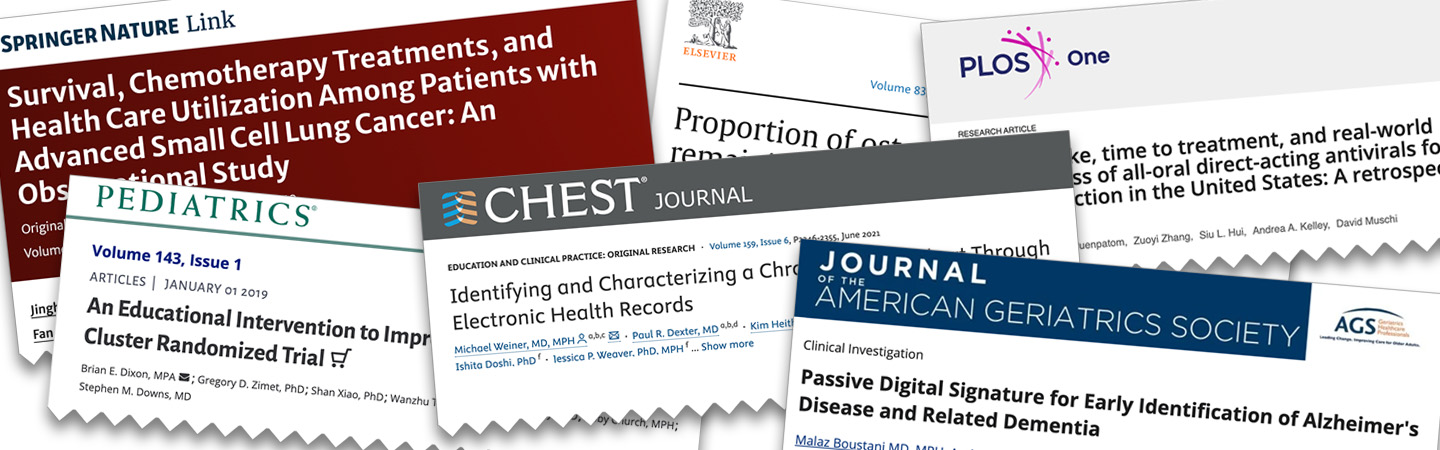
As an organization, we continued to lead conversations and research efforts in the U.S. and internationally, which is demonstrated by the selected grants presented and the papers published in peer-reviewed journals.
Our efforts in business development this past fiscal year provided a strong base. Historically we’ve had specific research scientists and pieces of our organization involved in certain aspects related to business, but this last fiscal year saw our association with the business community come forward more forcefully and formally. We cultivated partnerships and allies, which helped us springboard decisively into this relatively new but needed area for us as an organization. We also evaluated existing opportunities already being pursued by Regenstrief faculty that could benefit from our further attention and assistance. The result was a good foundation, one that we want to continue to develop and grow.
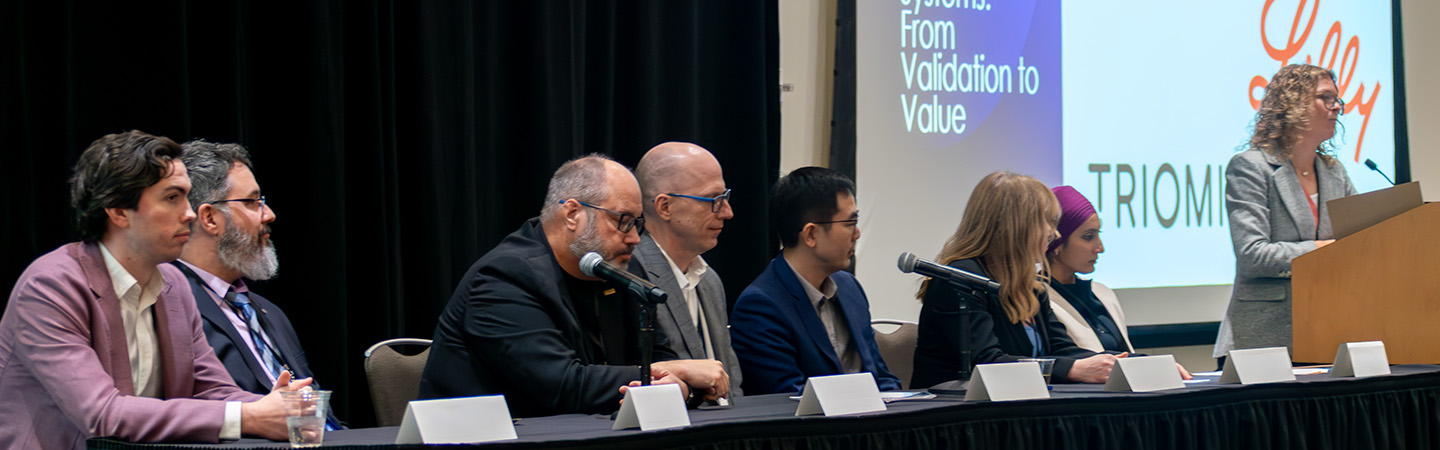
We established the Regenstrief Institute External Advisory Board (EAB) to solicit unbiased perspective and expertise from highly respected leaders across the nation to help us in our mission to improve human health. The board’s advice enables us to learn more about the global environment in which we operate, guides institute performance and helps us explore new, implementable ideas.
Regenstrief Institute faculty are at the helm of several national organizations and received recognition from prominent associations. Furthermore, without our dedicated and highly productive staff, we would not be where we are today. The annual report highlights the significant contributions of eight staff members who were recognized for their exemplary work.
All told, fiscal year 2018-19 was a productive year propelling us toward more solutions for better health. I hope you will join me in reading this report and sharing it with your friends and colleagues. Happy reading!
The Latest